

In the quest for innovative ways to boost child development, Professional Zumbini Classes Destin offers a unique blend of music and movement, fostering holistic growth in young children. These classes provide an engaging platform for children to learn and grow in a supportive environment, while also involving caregivers in the developmental process. This article delves into how Zumbini classes can enhance early learning, promote social and emotional skills, and strengthen the bond between children and their caregivers.
How Zumbini Classes Foster Early Learning in Children
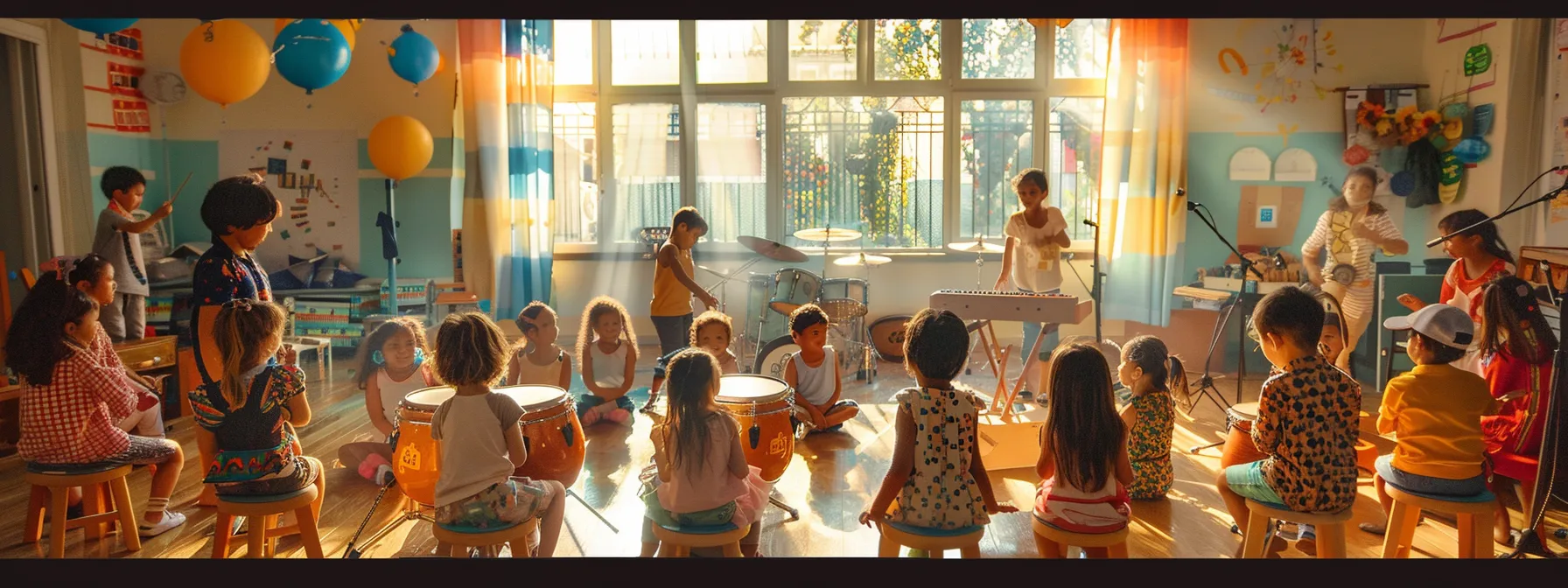
Zumbini classes are designed to stimulate early learning through structured activities that are both fun and educational. With a focus on music and movement, these classes align with Evidence-Based Practice (EBP) Guidelines, ensuring that the activities are rooted in research and proven methodologies. Children participating in Zumbini classes develop cognitive skills by engaging in activities that require them to follow instructions, recognize patterns, and develop rhythm. Moreover, the structured environment of Professional Zumbini Classes Destin helps children to improve their concentration and attention span. By participating in these classes regularly, children can enhance their ability to focus on tasks, a skill that is critical for their future academic success. According to recent research, children involved in early learning programs are more likely to perform better in school and have improved behavioral outcomes.
Professional Zumbini Classes Destin provide a nurturing space for children to explore and learn, encouraging curiosity and creativity, which are essential components of early childhood development. The integration of a Wellness Program Coordinator ensures that the classes are tailored to meet the developmental needs of each child, thereby maximizing their learning potential.
The Role of Music and Movement in Child Development
Music and movement play a pivotal role in child development by enhancing both physical and cognitive abilities. Zumbini classes leverage these elements to promote a comprehensive developmental experience. The rhythmic activities help in the development of motor skills, coordination, and balance, which are vital for physical growth. These classes also encourage children to express themselves through movement, promoting creativity and imagination.
Furthermore, music has been shown to have a profound impact on brain development. Integrative Health Practitioners emphasize the importance of music in enhancing memory, language development, and emotional regulation. By engaging in music and movement, children can improve their listening skills and learn to process auditory information more effectively.
Engaging in Zumbini classes also supports Sensory Integration, an essential process by which the brain organizes and interprets information from the body and the environment. This process helps children respond appropriately to different stimuli, fostering a better understanding of their surroundings.
Social Interaction and Emotional Growth Through Zumbini
Zumbini classes offer a social setting where children can interact with their peers, promoting social skills and emotional growth. These interactions are crucial for developing empathy, cooperation, and communication skills. By participating in group activities, children learn to share, take turns, and work collaboratively, which are important social competencies.
According to experts in Behavioral Health Compliance, structured social interactions in early childhood settings can significantly impact a child’s emotional development. Zumbini classes provide a safe and supportive environment where children can explore their emotions and develop a sense of identity and belonging. This emotional growth is instrumental in building resilience and self-confidence.
The role of a Holistic Marketing Specialist in these classes ensures that the programs are designed to cater to diverse needs, promoting inclusivity and health equity. This approach not only enhances the social development of children but also aligns with broader goals of fostering a supportive community for all participants.
Creating a Strong Bond Between Caregivers and Children in Zumbini Classes
One of the unique aspects of Zumbini classes is the active involvement of caregivers in the learning process. These classes provide an opportunity for caregivers to engage with their children in a playful environment, strengthening their bond. This interaction is vital for building trust and security, which are fundamental to a child’s emotional and social well-being.
Caregivers are encouraged to participate in the classes, creating shared experiences that enhance the parent-child relationship. The involvement in such activities promotes positive reinforcement and emotional connections, which are critical for a child’s development. A recent study by the CDC highlights the importance of parental involvement in early childhood programs, emphasizing its positive impact on child development.
The Zumbini framework also incorporates elements of Mindfulness-Based Stress Reduction (MBSR), allowing caregivers to practice mindfulness while interacting with their children. This approach not only reduces stress but also models positive behaviors for children, promoting a healthy and balanced lifestyle.
Conclusion
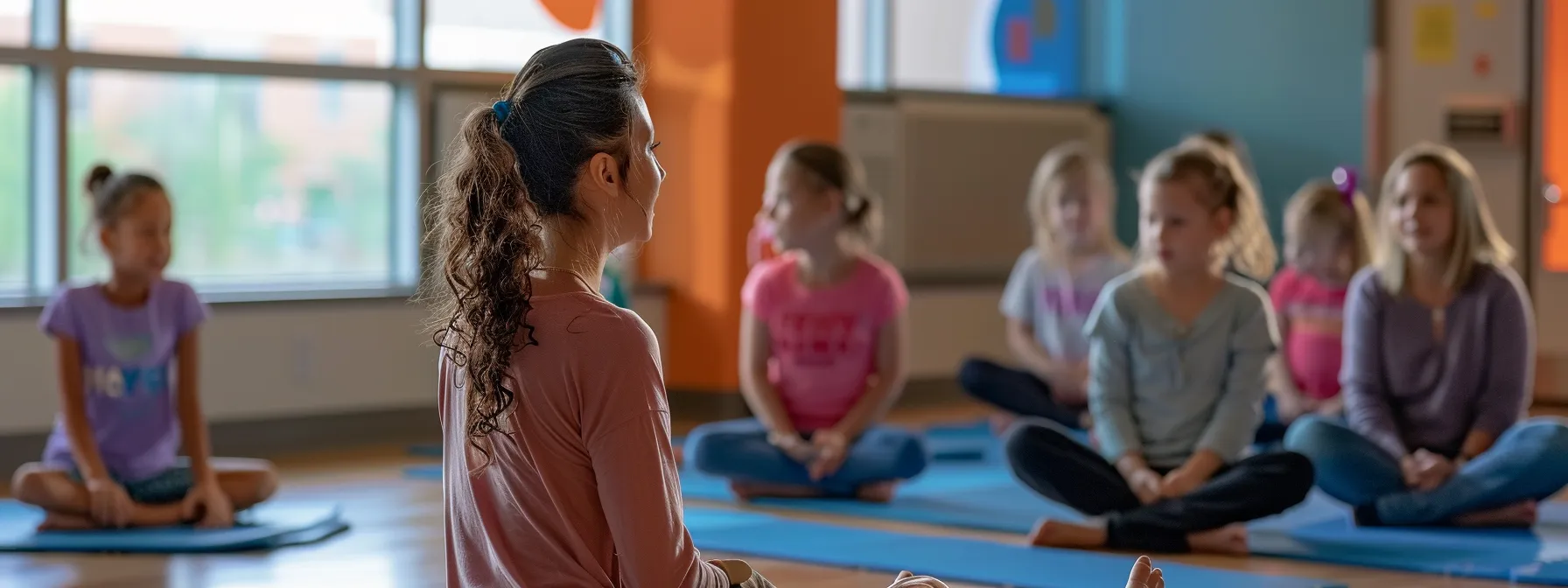
Engaging in Professional Zumbini Classes Destin offers a multifaceted approach to child development, integrating music, movement, and social interaction to foster cognitive, physical, and emotional growth. These classes provide a unique opportunity for children to learn and thrive in a supportive environment while also strengthening the bond with their caregivers. For agencies focused on Health & Wellness, Self-Care, incorporating Zumbini classes into their offerings can significantly enhance child development outcomes and promote a holistic approach to wellness.