

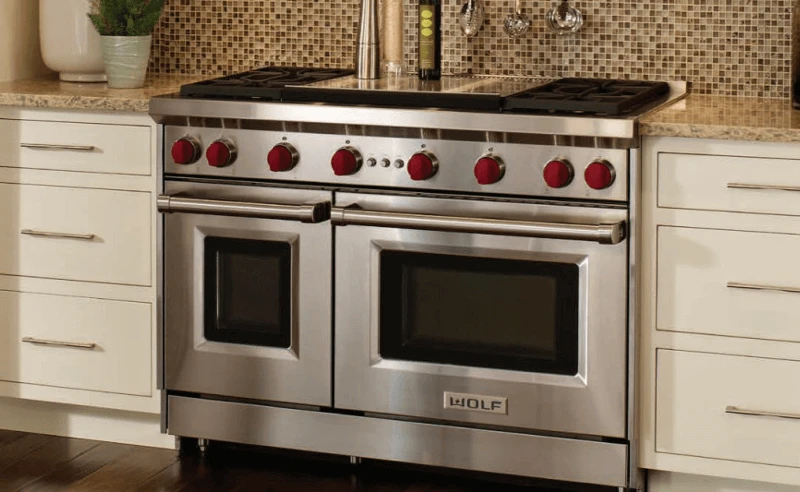
High-end kitchen appliances are a bit like a well-tuned instrument. When everything is working smoothly, cooking feels easy, almost effortless. But when something is off—even slightly—you notice it immediately. Wolf appliances are known for their strong performance and precision, but like any hardworking equipment, they still need regular care to stay reliable over time.
Whether you’re cooking weeknight dinners, preparing meals for guests, or running a busy household where the kitchen never really “rests,” good maintenance habits can make a big difference in how long your appliances last and how consistently they perform.
Why Regular Care Matters More Than You Think
In places like Westwood, kitchens often see a lot of activity. Some homes are cooking multiple meals a day, while others balance quick breakfasts during the week with heavier weekend cooking. In both cases, appliances are constantly being used, cooled down, reheated, and cleaned.
Think of a restaurant kitchen for comparison. Chefs don’t wait for equipment to break before paying attention to it. They clean burners daily, check oven temperatures regularly, and make small adjustments before issues grow into expensive repairs. Home kitchens benefit from the same mindset.
For example, a slightly uneven oven temperature might not seem like a big deal at first. Maybe your cookies are browning more on one side or a roast takes longer than expected. But over time, that inconsistency can point to a deeper issue, like a worn heating element or a sensor that needs calibration.
Routine care helps prevent these small warning signs from turning into larger problems. It also keeps energy use efficient, which matters more than people think—an appliance that struggles to perform often uses more power just to do the same job.
Everyday Habits That Keep Performance Strong
Good maintenance doesn’t always mean calling for repairs. In fact, most of it happens naturally through simple habits in daily use.
One of the most overlooked practices is keeping burners and surfaces clean after cooking. When grease or food residue builds up, it can affect ignition and heat distribution. Imagine trying to light a gas burner when small bits of oil are clogging the ports—it may still work, but not as smoothly or safely as it should.
Oven care is just as important. Spills that are left to bake over time can create smoke, odors, and uneven heating. In commercial baking, even small residue changes can affect texture and flavor. Home cooking is no different—clean surfaces lead to consistent results.
Another helpful habit is checking door seals. A weak oven door seal allows heat to escape, which forces the appliance to work harder. You might notice longer cooking times or dishes that don’t cook evenly. In many cases, replacing or adjusting a seal can restore performance immediately.
Even something as simple as listening to your appliance can help. A burner that clicks longer than usual or an oven that takes too long to preheat is often trying to signal that something needs attention. Paying attention early can prevent larger disruptions later.
Seasonal Maintenance and Professional Care
Just like air conditioning systems or vehicles, kitchen appliances benefit from occasional professional checkups. Many homeowners only think about service when something stops working, but preventive maintenance is often more cost-effective.
For instance, a technician might recalibrate an oven thermostat so temperatures match what the control panel shows. This is especially important for people who bake frequently, since precision matters in baking more than almost any other type of cooking.
In busy households, seasonal deep cleaning is also a smart idea. Before holiday cooking seasons or large family gatherings, taking time to inspect burners, clean internal components, and test oven performance can save stress later.
In a similar way that hotels schedule routine maintenance to avoid guest complaints, homeowners can think ahead to avoid cooking disruptions during important moments.
There’s also a benefit to using professionals who understand high-performance kitchen systems. These appliances are designed with precision engineering, and proper servicing ensures they continue working at that level rather than gradually losing efficiency over time.
When homeowners need expert help or just want peace of mind about long-term upkeep, reaching out to wolf appliance experts in Westwood can be a practical step that keeps everything running the way it should.
Building a Kitchen That Stays Reliable Over Time
A well-maintained kitchen doesn’t just cook better—it feels better to use. Everything responds the way you expect. Heat comes on quickly, temperatures stay steady, and there are fewer surprises in the middle of cooking.
This reliability matters in everyday life more than people realize. A parent preparing breakfast before school or work depends on quick, consistent results. Someone hosting dinner wants confidence that everything will finish on time. Even in professional catering or small food businesses run from home kitchens, reliability is the foundation of quality service.
Over time, small maintenance habits create a big difference. Cleaning regularly, paying attention to early warning signs, and scheduling occasional professional service all work together like layers of protection. Each one helps reduce wear, extend lifespan, and keep performance stable.
Think of it like maintaining a car. You don’t wait for the engine to fail before changing the oil. You maintain it so it continues performing well for years. Kitchen appliances deserve the same mindset, especially ones built for precision and heavy use.
When everything is working properly, cooking becomes less about managing equipment and more about enjoying the process. That’s the real value of proper maintenance—it keeps the focus on food, not frustration.